
Unsealed Live Nation Exhibits Show Ticketing Executives Mocking Fans, Boasting of Parking and Upsell Revenue
Unsealed trial exhibits in the federal antitrust case against Live Nation and Ticketmaster are offering a rare look at how…
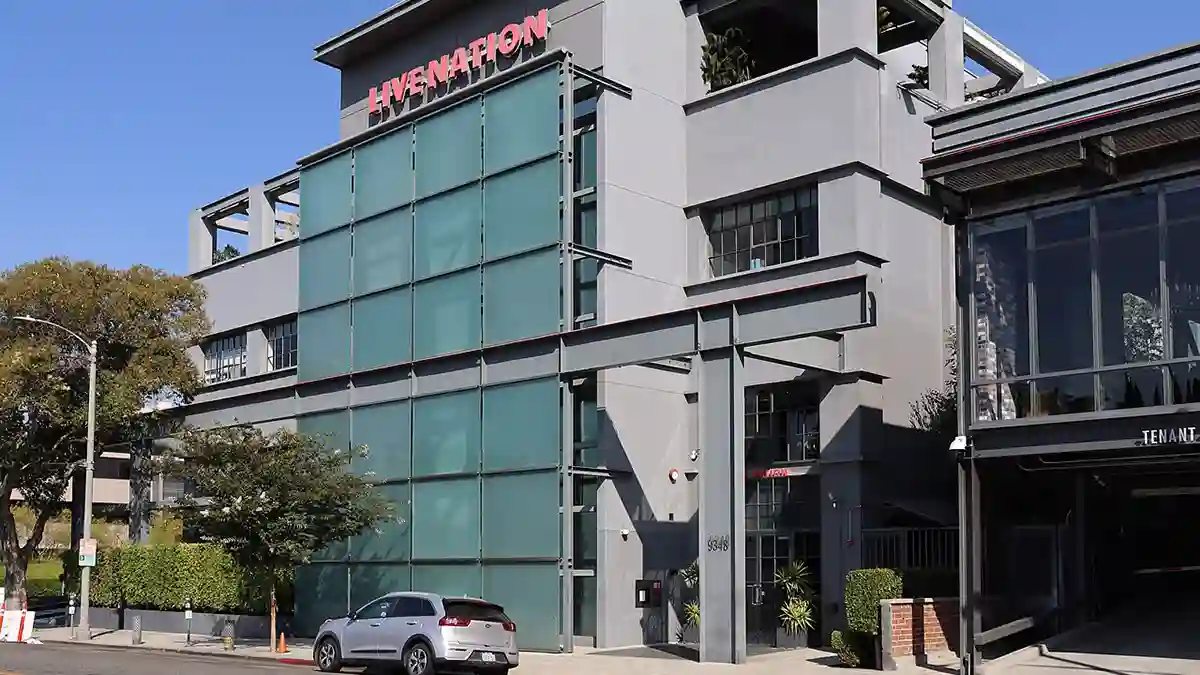
Unsealed trial exhibits in the federal antitrust case against Live Nation and Ticketmaster are offering a rare look at how company insiders discussed fans, pricing, and venue add-ons behind closed doors — and the language is strikingly blunt. In court papers fighting Live Nation’s attempt to keep the material away from jurors, government plaintiffs said internal messages show a current top Live Nation ticketing executive calling fans “so stupid,” saying he “gouge[s]” them on ancillary prices, and bragging that the company was “robbing them blind, baby.”
The filing identifies the two employees in the Slack chains as Ben Baker and Jeff Weinhold. According to the plaintiffs, Baker was a regional director overseeing a major Florida amphitheater when most of the messages were sent and has since risen to become Head of Ticketing for Venue Nation, the Live Nation division responsible for operating amphitheaters. Weinhold was identified as a regional ticketing executive tied to Jiffy Lube Live and is now a senior director in Live Nation’s Capital Region.
What makes the documents especially notable is that the underlying exhibits largely back up the government’s characterization. In one exhibit, Baker reacts to high VIP-area pricing by calling it “f**ing outrageous,” saying “these people are so stupid,” and adding that he “almost feel[s] bad taking advantage of them.” In another, the two men discuss premium parking and VIP parking prices in language that reads less like reluctant cost-justification and more like celebration. One screenshot discussion centers on $250 parking, with the chat noting that was “for one parking spot.” Another chain includes Baker posting a parking revenue chart and writing, “robbing them blind baby,” followed by “that’s how we do.”

The newly public messages also suggest parking and venue add-ons were treated internally as a major revenue engine. One exchange says parking alone generated almost $200,000 more than in 2019 despite fewer shows. Another says VIP parking had moved to prices starting at $100, while valet and oversized-vehicle parking were discussed as additional premium products. In a separate exhibit, the same executives talk about pushing VIP club access, parking and “upsells,” with one message stating: “$175 is wall for VIP Club but they’ll pay $425 for f**king parking.” Nearby messages say the pair were “up to $122K in upsells” for one Dead & Company show and discuss the possibility of a “hundred million dollar ancil budget next year.”
The response to the documents making it into the public sphere has been immediate and damning – drawing a further round of criticism over the fact that the DOJ settled the case so quickly.
Those chats matter not just because they are ugly, but because they fit the government’s broader theory of the case. In the same filing, plaintiffs argue that ancillary services — including parking, VIP access, onsite add-ons and pieces of service and facilities fees — are an important way Live Nation monetizes its amphitheater power. The filing cites Live Nation’s own annual report as saying ancillary revenue spending at U.S. amphitheater shows topped $45 per fan in 2025, with onsite spend growing 6 percent. Plaintiffs also argue that artists care about fan experience when choosing venues, and that excessive ancillary pricing can degrade that experience where meaningful alternatives do not exist.
FURTHER COVERAGE: USA vs. Live Nation Entertainment Trial
- Judge presses states to negotiate after DOJ’s shock Live Nation-Ticketmaster deal — but holdout AGs push for mistrial
- Judge Says DOJ, Live Nation Showed “Absolute Disrespect” for Court in Settlement Chaos
- DOJ-Live Nation Term Sheet Details Settlement Framework
- Live Nation, DOJ Reach Settlement Avoiding Ticketmaster Breakup
- Consumers, Policy Groups, and Lawmakers Slam Proposed Settlement
- States Plan to Continue Pursuing Live Nation Antitrust Case Without DOJ
- Live Nation Says DOJ Settlement Will “Improve the Concert Experience,” Denies Antitrust Allegations
- ’I Will Not Be Gaslit’: Consumers React to DOJ-Live Nation Settlement
The most important connective tissue in the exhibit trove may be a 2018 CNBC interview transcript with Live Nation CEO Michael Rapino, also entered as an exhibit. In that interview, Rapino described Live Nation’s live-show business as the low-margin “content” engine feeding three higher-margin businesses: sponsorship, ticketing, and onsite revenue. He also described digital ticketing as a way to know who a customer is, communicate with them inside the venue, upsell merchandise, expand Live Nation’s database, and even influence how a ticket is resold and “how much the lift is put on that upsell.” Read alongside the Slack messages, the transcript makes the internal chatter look less like rogue venting and more like a crude version of a broader corporate model.
The documents also hint at how aggressively that ancillary business was managed. In another message chain, Baker and Weinhold discuss repricing venue add-ons after a rescheduled event, then talk about emailing ticket buyers who “rushed buying and skipped the upsells.” One message suggests raising those prices again before the email goes out, with Baker adding, “i’m evil.”
The unsealed exhibits do not only speak to pricing. They also open a window into the back-end chaos of ticketing operations. One exhibit includes a message complaining that “TM open all” had created 211 double-sold seats while building a side-stage section, followed by the note that Ticketmaster customer service would have to call and cancel them all. Other messages show executives cursing about VIP holds, preferred-offer masking errors, last-minute presale problems, and the feeling that build instructions were being ignored. Those issues may form the basis of separate follow-up coverage, but they reinforce the same larger point: once internal records began surfacing in open court, the public record started revealing far more than abstract monopoly arguments.
To be clear, these are still exhibits in ongoing litigation, and the government is using them to support its case. They are not final findings by the court. But as a factual matter, the messages are now part of the public record, and they provide an unusually candid look at how Live Nation employees talked internally about parking, VIP access, preferred seating, upsells and the fans paying for them. Even at this early stage, the exhibits were beginning to do what antitrust trials sometimes do at their best: force the internal logic of a powerful business into public view.
EXHIBITS
Other Evidence Documents (actual chat logs): Exhibit 1 | Exhibit 2 | Exhibit 3 | Exhibit 4 | Exhibit 5 | Exhibit 6 | Exhibit 7
Read next
More headlines

Jun 16, 2026
Daughtry Goes Unplugged for 20th Anniversary Acoustic U.S. Tour
Chris Daughtry is celebrating his 20-year anniversary since his breakthrough debut record with an acoustic tour. The U.S. run, dubbed…

Jun 16, 2026
Andrea Bocelli Brings Romanza Anniversary Tour to Yas Island During Abu Dhabi Grand Prix Week
Andrea Bocelli is bringing a dose of classical grandeur to Formula 1’s biggest week in Abu Dhabi. The world-renowned Italian…

Jun 16, 2026
Stagecoach Announces Dates for 2027 Festival
Stagecoach has announced the dates for its 2027 festival, with the country music event set to return to Indio, California,…