
Sens. Klobuchar, Warren Join Chorus Condemning Possible Live Nation Settlement, Call for Congressional Intervention
Two of Congress’s most prominent antitrust voices — Sens. Amy Klobuchar (D-MN) and Elizabeth Warren (D-MA) — are amplifying calls…
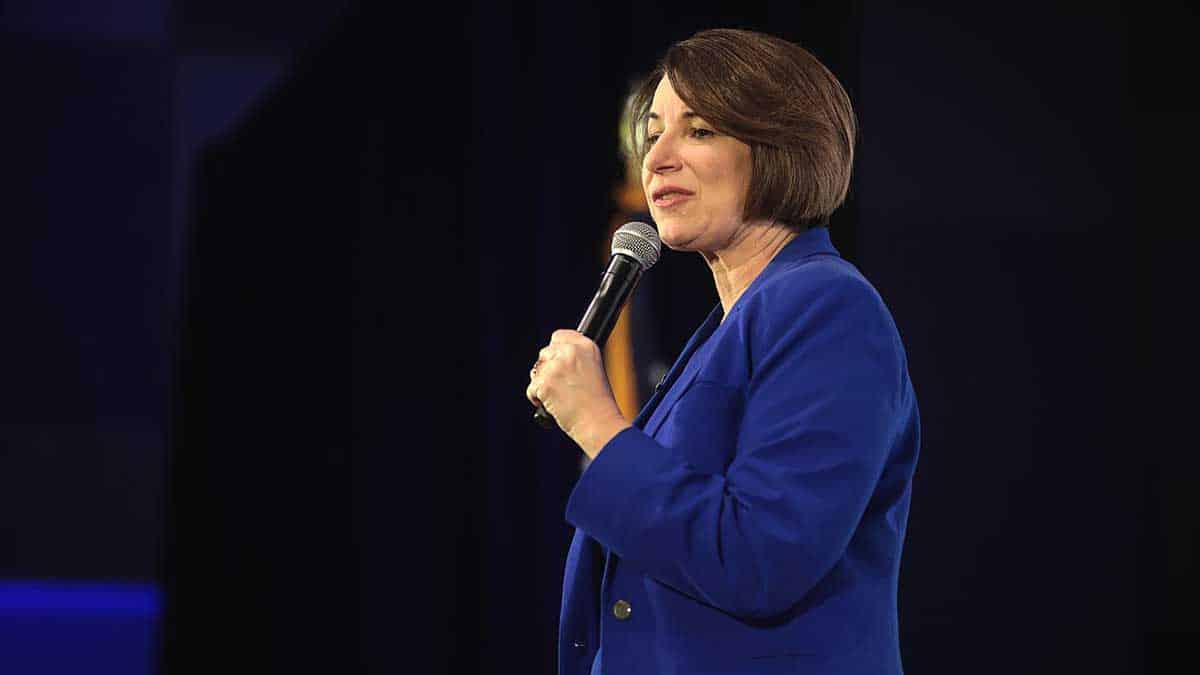
Two of Congress’s most prominent antitrust voices — Sens. Amy Klobuchar (D-MN) and Elizabeth Warren (D-MA) — are amplifying calls for oversight after the abrupt departure of Justice Department Antitrust Division chief Gail Slater, a shakeup that has fueled speculation the Trump administration could pursue a last-minute settlement with Live Nation Entertainment that would avert a March courtroom showdown over Ticketmaster’s alleged monopoly power.
MORE COVERAGE: The Fix Is In? DOJ Antitrust Turmoil Boosts Live Nation Bid to Escape Ticketmaster Monopoly Trial
Klobuchar, a longtime leader on competition policy, warned that Slater’s exit “raises significant concerns” about the administration’s commitment to enforcing antitrust laws, pointing specifically to the “vital case to break up Live Nation-Ticketmaster” that is scheduled for trial next month.
Warren went further, arguing that Slater’s ouster “looks like corruption” and asserting that “every merger” before the Trump administration now “reeks of double-dealing.” Warren also cited the Live Nation/Ticketmaster matter directly and urged Congress to investigate what happened.
Those statements land as multiple major outlets have reported that Slater stepped down after a turbulent tenure marked by internal disputes over enforcement and merger reviews — and as the live entertainment industry watches for signs of whether DOJ will proceed toward trial or negotiate a deal behind closed doors.
The timing is politically combustible. Trial in the DOJ-led monopolization case against Live Nation and its ticketing arm Ticketmaster is scheduled to begin in early March, and recent reporting has described behind-the-scenes settlement conversations unfolding through senior DOJ channels outside the Antitrust Division — a dynamic critics say raises red flags about whether the case is being resolved on legal merits or political leverage.
The political-interference question
While neither Klobuchar nor Warren alleged specific misconduct in the Live Nation matter, both framed Slater’s departure as a test of whether antitrust enforcement is insulated from political and corporate influence — a concern that has been echoed by advocacy groups and industry stakeholders who argue the Live Nation case is too significant to be resolved through political channels.
The American Economic Liberties Project called for Congress to “aggressively investigate” the circumstances surrounding leadership changes inside DOJ’s Antitrust Division, arguing that Slater’s removal fits a broader “pay-to-play” pattern in antitrust enforcement. The group’s statement tied the moment directly to the Live Nation case, asserting Wall Street expects a settlement that would block the March trial.
The National Consumers League (NCL) similarly urged lawmakers to investigate potential interference, warning that instability at DOJ could impact whether major cases are pursued “consistently, independently, and in the public interest.” NCL specifically called on the House and Senate Judiciary Committees to examine DOJ’s antitrust activities if the disruption results in enforcement actions being weakened or terminated.
“Bring it to trial in March”
Fan and venue groups, meanwhile, framed the moment as a now-or-never test of whether the government will follow through on a case they view as the most meaningful competition challenge in live entertainment in years.
The Sports Fans Coalition said Slater’s removal is “deeply troubling,” especially in light of reports that Live Nation is seeking a settlement after hiring politically connected lobbyists. The group pointed back to Live Nation Executive Vice President Dan Wall’s recent Senate testimony, where he suggested the case should be resolved on the law rather than political pressure — a promise critics argue is difficult to reconcile with reported backchannel maneuvering.
“We call on the Department of Justice to continue the Live Nation/Ticketmaster lawsuit and bring it to trial in March,” the Sports Fans Coalition said, adding that “sports fans are watching” and warning against “backroom deals that protect monopolies at the expense of consumers.”
For independent venues, the stakes are existential — and their view of settlement is unsparing.
Earlier this week, before Slater’s departure, the National Independent Venue Association (NIVA) warned that if reports of political end-runs were accurate, Live Nation would be “subverting the rule of law.” NIVA argued there is “no settlement that will lead to justice” and no meaningful pathway to restore competition “without Live Nation’s breakup.”
What happened inside DOJ
The public has few hard answers about the internal decision-making that led to Slater’s departure — but the picture emerging in national reporting is of a division roiled by disputes over enforcement direction and high-profile mergers, with significant political crosswinds.
Reuters described Slater’s tenure as turbulent, reporting her resignation came amid internal frictions and the looming Live Nation trial. The Washington Post reported Slater was removed amid rising tensions over antitrust enforcement, and noted her ouster had been approved by President Trump. The Wall Street Journal similarly reported she left after clashes with senior leadership, describing a tug-of-war between more aggressive antitrust oversight and pressure toward leniency.
The Verge also reported that Slater’s influence had been diminished in recent days, with senior DOJ officials reportedly taking the lead in conversations involving Live Nation — a detail that is central to advocates’ “end run” argument.
The American Prospect reported that the behind-the-scenes effort to resolve the case outside of the Antitrust Division had intensified, describing it as part of a broader pattern of politically connected lobbying aimed at shaping enforcement outcomes.
Why this matters for the Live Nation case
The DOJ lawsuit, filed in 2024 alongside a coalition of state attorneys general, seeks to unwind Live Nation’s dominance in live entertainment by challenging its vertically integrated control over concert promotion, venues, and ticketing — including a request that Live Nation be forced to spin off Ticketmaster.
With trial set for early March, advocates fear a settlement could avoid the public airing of evidence and foreclose the structural remedy they see as necessary. It is worth mentioning that this case is not solely a federal effort. More than 40 state attorneys general are also suing Live Nation and TIcketmaster – and could continue pressing forward even if DOJ seeks to pull back.
Two months ago, with Live Nation’s pattern of moves already interpreted as an effort to kill their federal antitrust risk by cosying up to Trump allies, Tennessee Attorney General Jonathan Skrmetti said states are prepared to continue pursuing the lawsuit regardless of the DOJ.
That point is becoming a throughline of the backlash: if DOJ leadership is perceived as wavering, critics want states to hold the line — and they want Congress to probe whether political interference is reshaping antitrust enforcement at the moment one of its most high-profile cases nears trial.
What happens next
Slater’s departure does not automatically determine the fate of the Live Nation litigation. But it lands at the precise moment settlement speculation is peaking — and it has rapidly transformed an internal personnel story into a broader political fight over whether antitrust enforcement will be insulated from lobbying and White House influence.
For now, the immediate demands from the case’s loudest outside stakeholders are converging around three themes: that Congress should investigate the circumstances around Slater’s removal and any political interference in DOJ antitrust work; that DOJ should proceed to trial in March rather than resolve the case through political channels; and that state attorneys general should remain committed to seeing the Live Nation case through, regardless of DOJ leadership turmoil.
As advocates put it, the next few weeks will show whether the government’s most consequential monopoly challenge in live entertainment heads to court — or is negotiated away behind closed doors.
Read next
More headlines

Jun 16, 2026
Daughtry Goes Unplugged for 20th Anniversary Acoustic U.S. Tour
Chris Daughtry is celebrating his 20-year anniversary since his breakthrough debut record with an acoustic tour. The U.S. run, dubbed…

Jun 16, 2026
Andrea Bocelli Brings Romanza Anniversary Tour to Yas Island During Abu Dhabi Grand Prix Week
Andrea Bocelli is bringing a dose of classical grandeur to Formula 1’s biggest week in Abu Dhabi. The world-renowned Italian…

Jun 16, 2026
Stagecoach Announces Dates for 2027 Festival
Stagecoach has announced the dates for its 2027 festival, with the country music event set to return to Indio, California,…