
Golf, Immunity and a Pardon: How Tim Leiweke Slipped DOJ’s Grip — and What It Means for Live Nation
President Donald Trump’s surprise pardon of Tim Leiweke didn’t just erase a fresh criminal case against one of arena development’s…
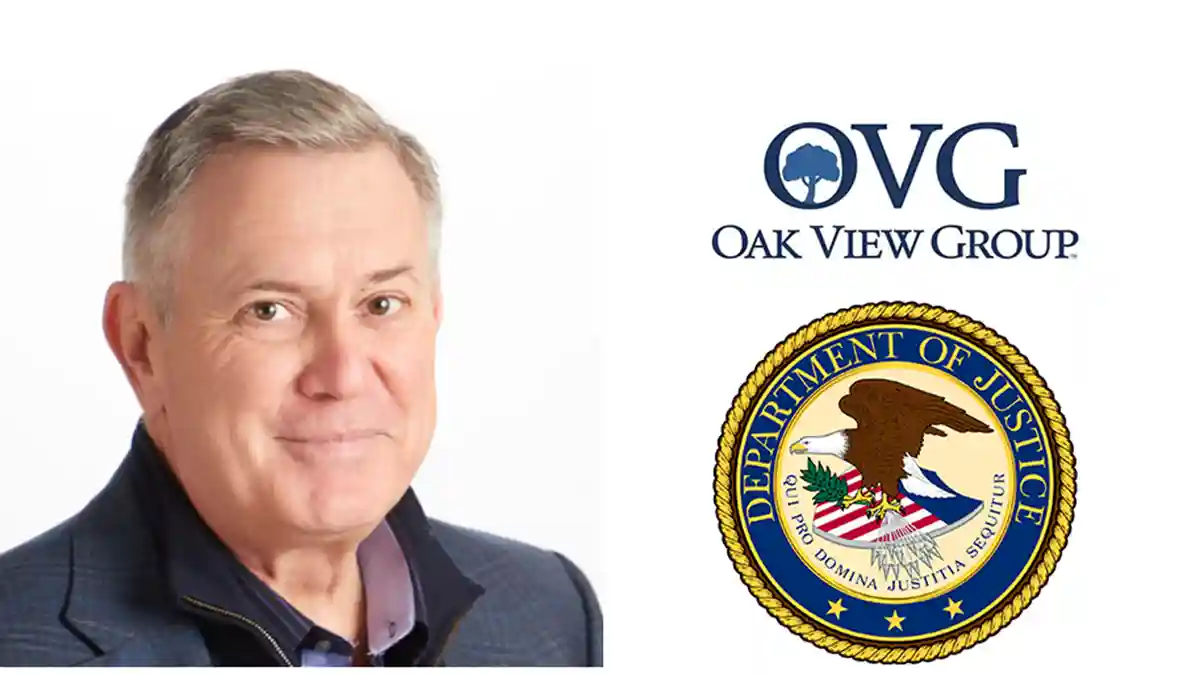
President Donald Trump’s surprise pardon of Tim Leiweke didn’t just erase a fresh criminal case against one of arena development’s power players. It also yanked away a key pressure point in the Justice Department’s broader campaign to rein in Live Nation and Ticketmaster — a campaign his own antitrust team has framed as central to fixing the modern ticketing market, as detailed in a Wall Street Journal report.
According to that account and subsequent coverage, prosecutors had effectively ring-fenced Leiweke as the lone individual defendant in the Moody Center bid-rigging probe, while cutting cooperation deals with his partners and their companies. Then a round of golf at Mar-a-Lago — and a lobbying push from Leiweke’s lawyer, former congressman Trey Gowdy — helped convince Trump to wipe the case away. Days later, freed from criminal exposure, Leiweke refused to answer questions in DOJ’s antitrust lawsuit seeking to break up Live Nation and Ticketmaster.
One man charged, everyone else cut a deal
The underlying criminal case is straightforward on paper, and explosive in its implications for how business is done in big-ticket venue deals.
In July, DOJ charged Leiweke with conspiring to rig the bidding process for the University of Texas at Austin’s Moody Center, a 15,000-seat arena that has quickly become one of the busiest buildings in the country. Prosecutors say he offered rival firm Legends a lucrative role on future projects if it stayed out of the Moody Center contest, then bragged internally about keeping competition at bay. Oak View Group (OVG), which Leiweke co-founded, ultimately won the job as the bidder.
When the dust settled, Oak View Group and Legends both secured non-prosecution agreements, agreeing to cooperate and pay fines — roughly $15 million for OVG and $1.5 million for Legends — in exchange for DOJ dropping any corporate charges, as laid out in the government’s agreements.
Leiweke didn’t get that deal. He was indicted personally, immediately stepped down as OVG’s CEO (remaining vice chair and a major shareholder), and faced up to 10 years in prison and a $1 million fine if convicted. Prosecutors touted the case as a message that executives who cheat public institutions will be held personally accountable, even when their companies can cut cooperation deals.
At the same time, separate filings made public in July showed just how deeply OVG was already entangled with Live Nation-owned Ticketmaster. Exhibits to OVG’s non-prosecution agreement revealed Ticketmaster had wired the firm a $20 million upfront payment in late 2022, plus $7 million a year going forward, as OVG’s venue-management arm encouraged arenas to sign or extend exclusive Ticketmaster deals — without telling venue clients about the money.
Those undisclosed incentives dovetail with the allegations in DOJ’s separate civil case: that Live Nation and Ticketmaster have built a vertically integrated empire by locking up venues, shutting out rival promoters and ticketing platforms, and leaving fans with fewer choices and higher fees.
DOJ shields Azoff and the companies — then Trump shields Leiweke
The Moody Center investigation pulled in some of the most connected figures in live entertainment, including Leiweke’s Oak View Group co-founder, music mogul and former Live Nation chair Irving Azoff.
Public documents establish that OVG and Legends received non-prosecution agreements and financial penalties. Reporting on the case goes a step further, saying prosecutors also agreed not to charge Azoff personally, despite his central role as co-founder and dealmaker, effectively granting him individual immunity in the Moody Center matter in exchange for cooperation.
That setup — corporate leniency and protection for Azoff on one side, an “airtight” case focused on Leiweke alone on the other — became the fulcrum of Gowdy’s pitch to Trump, according to those accounts. On November 16, the attorney joined the president for a round of golf at Mar-a-Lago. After 18 holes, Trump reportedly asked if there was anything he could do for Gowdy; the former prosecutor raised Leiweke’s case and argued that his client was being singled out while partners and companies walked away with deals.
Within about three weeks, Trump granted Leiweke a full and unconditional pardon, even though the case had only been filed months earlier and no trial had begun.
For DOJ’s antitrust division, the move cut against the grain of its own enforcement agenda. The same White House that had encouraged regulators to go after unfair practices in ticketing — including by inviting public complaints about Ticketmaster’s power and high fees — was now short-circuiting a criminal case the department was using to pry open that very market.
A key witness goes quiet in the Live Nation/Ticketmaster suit
The timing of the pardon is just as important as the mechanics.
On May 23, 2024, DOJ and a coalition of state attorneys general filed a sweeping antitrust lawsuit accusing Live Nation and Ticketmaster of monopolizing live concerts, coercing venues into long-term exclusive ticketing contracts, and retaliating against buildings that tried to use other promoters or platforms. Regulators are seeking structural remedies — up to and including breaking the company apart.
OVG features prominently in that complaint. Government lawyers describe the venue developer as a would-be competitor that instead aligned itself with Live Nation’s interests — steering venues toward Ticketmaster, staying out of promotion deals that might threaten Live Nation’s dominance, and reinforcing a system where using the wrong ticketer could mean losing access to major tours.
That makes Leiweke unusually valuable to both sides. Few executives have his vantage point on how large arena and stadium deals are carved up between venue developers, promoters and ticketing firms; how Live Nation’s touring muscle and Ticketmaster’s box-office control interact in those negotiations; and what OVG told venue clients about ticketing options while it was taking tens of millions from Ticketmaster in undisclosed incentives.
Two days after the pardon became public, Leiweke was deposed in the Live Nation case. Rather than opening a window into those practices, he invoked his Fifth Amendment right against self-incrimination and refused to answer questions, according to people familiar with the proceeding.
His lawyers have suggested he may cooperate once the criminal case is formally dismissed on the court’s docket, but for now, DOJ has lost the testimony of the one person it had both charged criminally and positioned as a bridge between the Moody Center scheme and its larger monopoly claims.
Live Nation, for its part, continues to deny that it holds an unlawful monopoly, arguing that artists and teams ultimately set ticket prices and choose their partners.
Winners, losers and what’s at stake for fans
The sequence leaves a strange balance sheet in the live events business:
On the winning side, Leiweke walks away from a felony indictment, free to plan his next venture, while OVG and Legends keep operating after paying their fines and promising better compliance. Azoff, whose history with Live Nation and Ticketmaster gives him unique leverage, emerges as a cooperating figure the government chose not to charge.
Live Nation and Ticketmaster also gain something: a weakened case against one of the most knowledgeable potential witnesses aligned, at least historically, with a rival platform. DOJ still has documents, emails and other insiders, but it no longer has the same criminal leverage over the executive who sat at the intersection of venues, promotion and ticketing when the alleged conduct occurred.
On the losing side is DOJ’s antitrust division, which now has to explain why it concentrated criminal liability on one man whose allies had the ear of the president — and what alternatives it has to fill the evidentiary gap in a landmark monopolization case. Competing venues and emerging ticketing platforms, which have argued for years that the system is tilted toward Live Nation’s vertically integrated machine, see more evidence that personal access and political muscle can blunt enforcement.
And for fans, the picture is murkier than ever. Regulators say their overarching goal is to loosen Live Nation/Ticketmaster’s grip so consumers have more choice and lower fees. But the Leiweke episode shows how fragile that strategy can be when a key corporate insider becomes a political cause and a golf-course conversation is enough to derail a carefully constructed case.
The core questions now hanging over the industry — and likely to shape coverage as the Live Nation trial approaches in March — are simple ones with complicated answers:
- Can DOJ still prove its allegations about Live Nation’s dominance and retaliation without testimony from the executive who helped build a parallel venue empire?
- Will other insiders step into the gap, or did the pardon send a deterrent message to would-be cooperators?
- And if the government fails, what does that mean for any future attempt to remake a ticketing market that fans, artists and even some competitors increasingly describe as rigged?
Those are the stakes Trump’s pardon has raised — not just for Tim Leiweke, but for how live entertainment is bought and sold in the United States.
Read next
More headlines

Jun 16, 2026
Daughtry Goes Unplugged for 20th Anniversary Acoustic U.S. Tour
Chris Daughtry is celebrating his 20-year anniversary since his breakthrough debut record with an acoustic tour. The U.S. run, dubbed…

Jun 16, 2026
Andrea Bocelli Brings Romanza Anniversary Tour to Yas Island During Abu Dhabi Grand Prix Week
Andrea Bocelli is bringing a dose of classical grandeur to Formula 1’s biggest week in Abu Dhabi. The world-renowned Italian…

Jun 16, 2026
Stagecoach Announces Dates for 2027 Festival
Stagecoach has announced the dates for its 2027 festival, with the country music event set to return to Indio, California,…