
Former Live Nation Executive Alleges He Was Fired After Flagging Financial Misconduct, Consent Decree Concerns
A former Live Nation executive has filed a whistleblower and wrongful termination lawsuit in Los Angeles Superior Court, alleging the…
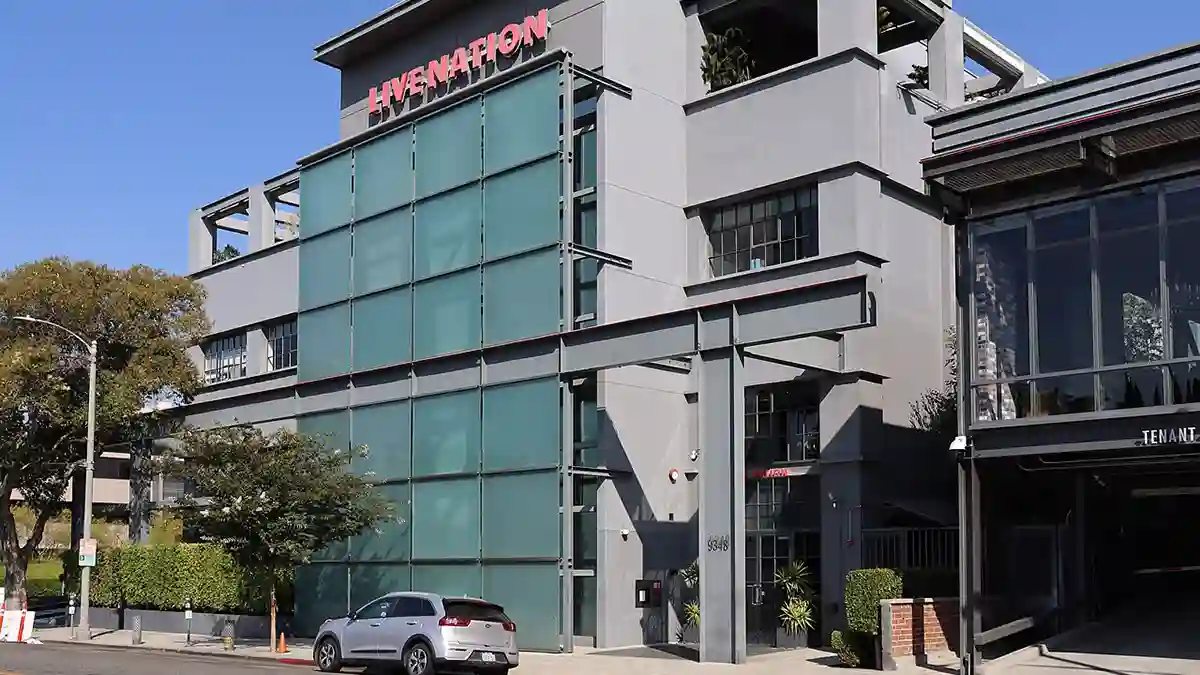
A former Live Nation executive has filed a whistleblower and wrongful termination lawsuit in Los Angeles Superior Court, alleging the company fired him after he raised internal concerns about systemic financial misrepresentations, risky venue-development practices, and potential violations of the DOJ consent decree governing the Live Nation–Ticketmaster merger.
The complaint, filed by Nicholas Rumanes against Live Nation Worldwide, Inc., seeks damages exceeding $35 million, along with punitive damages and attorneys’ fees. It asserts three causes of action: retaliation under California Labor Code §1102.5, wrongful termination in violation of public policy, and fraudulent inducement.
Although framed as an employment dispute, the lawsuit places Live Nation’s internal financial practices at the center of its allegations, contending that the company regularly presented materially different financial pictures internally and externally — particularly when seeking public financing, securing municipal approvals, or pitching investors.
The filing lands at a sensitive moment for Live Nation, coming just days after a federal jury in Manhattan found that Live Nation and Ticketmaster violated federal antitrust law, a verdict now entering a remedies phase that could include damages or structural relief.
FURTHER READING: State AGs Now Explicitly Seek Live Nation Breakup After Monopoly Verdict
A Promised Role — and What Followed
Rumanes, who says he has three decades of experience in real estate development and previously held senior positions at publicly traded companies, alleges Live Nation recruited him in 2022 to build and professionalize a real estate development platform within its U.S. Concerts division.
According to the complaint, he was offered a senior leadership role intended to give investors, Wall Street, and public-sector partners confidence that Live Nation’s rapidly expanding venue-development pipeline was being overseen by an experienced executive with strong internal controls and discipline.
Instead, Rumanes alleges he was subjected to what the complaint describes as a “classic bait and switch.” His authority was sharply limited, and he was placed under the direction of Jordan Zachary, Live Nation’s Co‑President of U.S. Concerts and Global President of Venue Nation, with little ability to meaningfully influence financial modeling, budgeting, or oversight.
It was in this constrained role, Rumanes claims, that he encountered what the complaint characterizes as pervasive financial practices he believed were misleading, internally inconsistent, and potentially unlawful.
Alleged Financial Improprieties and Public Exposure
According to the lawsuit, Rumanes observed a pattern in which Live Nation inflated projected revenues, understated capital expenditures, minimized cost overruns, and manipulated pro forma materials presented to municipalities, lenders, and investors. The complaint alleges these public-facing projections often bore little resemblance to internal cost assumptions and project realities.
Rumanes further claims that Ticketmaster‑derived revenues were embedded in U.S. Concerts pro formas, masking the true economics of individual venue projects while making them appear commercially viable on a standalone basis. The complaint also alleges Live Nation relied on per‑ticket fees — sometimes labeled as facility or maintenance charges — that functioned as company revenue streams.
“Specifically, it became clear to Rumanes that Live Nation’s basic business model was to misstate and exaggerate financial figures in efforts to solicit and secure business,” the complaint alleges.
While the lawsuit does not expressly accuse Live Nation of maintaining “two sets of books,” the core allegations echo prior claims raised in earlier litigation and congressional inquiries — including accusations that Live Nation structured deals so that financial results presented to partners, artists, and public entities differed materially from internal accounting and financial outcomes retained by the company.
Those earlier allegations, surfaced in expert reports and litigation involving former promoters, claimed Live Nation used accounting mechanisms and vendor rebates to depress apparent profitability when settling with partners while retaining undisclosed revenue internally. Rumanes’ lawsuit advances a parallel theory in a different part of Live Nation’s business: venue development, municipal partnerships, and public finance.
FURTHER READING: Pascrell Shares “Explosive” Ticketmaster Report Alleging Abuses | TicketNews
The public stakes, according to the complaint, were high. Rumanes alleges venue developments were “almost invariably publicly financed” through municipal bonds, tax credits, state grants, or publicly owned land. Projects cited include developments in Grand Rapids, Charlotte, Indianapolis, Kansas City, Seattle, and Portland.
He claims he repeatedly warned senior leadership that nearly all Live Nation projects he reviewed were materially over budget and that polished investment decks would not withstand serious due diligence if their underlying assumptions were examined.
The lawsuit also ties Rumanes’ concerns to the DOJ consent decree governing the Live Nation–Ticketmaster merger. According to the complaint, he believed Live Nation’s vertically integrated “Flywheel” strategy — spanning ticketing, promotion, and venue operations — raised compliance issues by centralizing control across business lines that were supposed to remain operationally distinct.
When Rumanes raised concerns in early 2023, the complaint alleges Zachary dismissed budget and cost‑control issues as “not my problem.”
One of the most detailed sections of the lawsuit focuses on the Grand Rapids/Kent County Convention/Arena Authority transaction involving the Acrisure Amphitheater. Rumanes alleges Live Nation senior staff bypassed competitive bidding processes while structuring long‑term management and exclusive booking agreements, alongside a $20 million upfront payment that the complaint claims was designed to avoid procurement scrutiny and shift financial risk onto the public.
Retaliation Claims and Broader Implications
By late 2024, Rumanes alleges he was excluded from core meetings, budget reviews, and reporting functions. The complaint claims Zachary instructed that it was preferable to close deals even when they did not make economic sense rather than risk losing transactions.
The lawsuit also recounts an alleged internal exchange regarding congressional scrutiny, in which Zachary purportedly said CEO Michael Rapino avoided testifying before the U.S. Senate Judiciary Committee because he could not “keep his facts straight,” adding that another executive was sent instead because “if he f—s it up, he’s expendable.”
Rumanes alleges he was terminated in May 2025 without warning, despite what he describes as strong performance reviews, bonuses, and a recent raise. Live Nation initially told him his role was no longer needed, but the explanation later shifted to termination for cause, despite no prior notice of performance issues.
The complaint alleges those shifting explanations reflect retaliation for raising concerns about Live Nation’s financial practices and internal controls.
Live Nation has not yet responded to the lawsuit. As with any civil case, the allegations remain unproven unless established through litigation or settlement.
Read next
More headlines

Apr 24, 2026
AXS Secures Melbourne Park Ticketing Contract for Year‑Round Events
AXS has been named the new ticketing provider for Melbourne Park, giving the global ticketing company a significant presence across…

Apr 24, 2026
BTS Fans Cry Foul After Ticketmaster Cancels Tickets, Saying They Should Have Been Held Back for VIP Sale
A ticketing error involving BTS’ upcoming Las Vegas concert left some fans with canceled VIP orders and non-refundable travel expenses…

Apr 24, 2026
Bob Dylan Expands ‘Rough and Rowdy Ways Tour’ With 12 Additional Dates
Bob Dylan is continuing his extensive run on the road, with a newly announced slate of dates added to his…